The Closure of the Cwecwe Case: Justice Deferred or Denied?
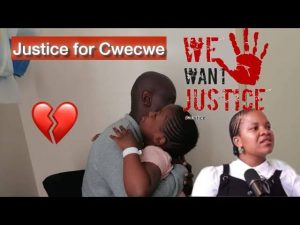
The Closure of the Cwecwe Case: Justice Deferred or Denied?
Introduction
In late 2024, South Africa was shaken by a horrific allegation: a seven-year-old girl—referred to by the pseudonym “Cwecwe” to protect her identity—was reportedly raped on school premises. The alleged assault occurred at Bergview College in Matatiele, a private institution in the Eastern Cape. The disturbing nature of the case, combined with institutional inaction, ignited a nationwide movement under the banner #JusticeForCwecwe. The case became emblematic of the broader crisis of gender-based violence (GBV) and child protection failures in South Africa.
In May 2025, the South African Police Service (SAPS) officially closed the Cwecwe case due to insufficient evidence. The announcement triggered widespread disappointment, raising serious concerns about the country’s ability to protect its most vulnerable citizens. This article delves into the timeline of the case, the societal outrage it inspired, the institutional shortcomings it revealed, and the lasting questions it leaves in its wake.
The Timeline of the Cwecwe Case
October 14, 2024: The Alleged Assault
On this day, Cwecwe was reportedly raped on the premises of Bergview College while waiting for school transportation. Medical professionals later confirmed signs of sexual assault, marking the beginning of what was expected to be a swift and serious criminal investigation. Her mother promptly reported the incident to the school and police on October 15.
Institutional Inaction
Instead of providing support, the school’s response shocked the nation. Rather than initiating an internal probe or reaching out to law enforcement, the school principal issued a transfer letter to the family, effectively removing Cwecwe from the institution. It wasn’t until November 19—over a month later—that the principal reported the matter to the district education authorities. This delay was critical, contributing to the eventual collapse of the legal process.
A Case Mishandled?
Despite the case being reported to police and corroborated by medical evidence, no suspect was arrested. DNA evidence failed to identify a perpetrator, and there were no eyewitnesses. The slow progress of the case infuriated many, particularly after revelations that at least three persons of interest—one of whom was a school employee—had never been properly interrogated.
The Rise of #JusticeForCwecwe
A Nation’s Rage
The lack of legal and institutional action ignited a powerful social movement under the hashtag #JusticeForCwecwe. Social media exploded with condemnation, and civil society groups organized nationwide protests. Marches took place in major cities like Cape Town, Johannesburg, Pretoria, and Durban. Activists, schoolchildren, parents, and advocacy groups all demanded that the perpetrators be brought to justice and that the institutions involved be held accountable.
The Human Side of the Story
One of the most devastating aspects of the Cwecwe case was the emotional trauma inflicted on the child and her family. The family not only endured the assault itself but also faced an overwhelming wall of bureaucratic indifference. Instead of support, they encountered gaslighting, victim-blaming, and silencing.
Reports emerged of the school allegedly asking the family to “keep quiet” for the institution’s reputation. These allegations only fueled public fury, highlighting the systemic prioritization of image over justice.
The Closure of the Case
May 2025: Case Closed Due to “Insufficient Evidence”
In a formal statement, SAPS announced that the case would not proceed further due to a lack of actionable evidence. No arrests were made, and no charges filed. The announcement was met with a mixture of sorrow, frustration, and disillusionment.
For many, it signaled not just a failure of the legal system, but a broader betrayal by institutions meant to protect children. Despite public protests, petitions, and media scrutiny, the justice system could not deliver closure for Cwecwe and her family.
Legal and Institutional Failures
1. Inadequate Law Enforcement
Critics have pointed to the police’s delayed response and lack of urgency as key failures. The investigation lacked forensic rigor. Reports suggest that several potential suspects were neither detained nor properly questioned. In any sexual assault case—especially involving a minor—speed is critical. Delays in collecting evidence, interviewing witnesses, and securing the scene can fatally undermine a case.
2. Education Department’s Lax Oversight
The Department of Education came under fire for allowing a school to operate without sufficient oversight. The fact that Bergview College failed to report a serious crime within a reasonable timeframe was not only a violation of professional ethics but a criminal offense under South African law.
Eventually, the Department moved to deregister the school, but for many, this action was too little, too late. The failure to protect students raised concerns about vetting procedures, safety policies, and accountability frameworks in private educational institutions.
3. Weak Support for Victims
South Africa lacks a coherent, victim-centered approach to GBV and child sexual abuse. While policies exist on paper, implementation is sorely lacking. Support structures such as counseling, shelter access, legal aid, and trauma-informed policing are either absent or underfunded. For Cwecwe and her family, this meant navigating a complex, indifferent, and traumatizing justice system.
Public and Political Response
Civil Society Mobilization
Organizations such as Women and Men Against Child Abuse (WMACA), the Commission for Gender Equality, and the Centre for Child Law were vocal in their criticism. They called for independent inquiries, child safety audits in schools, and the establishment of a specialized child protection task force.
Petitions demanding justice collected hundreds of thousands of signatures. Social media continued to amplify public anger, forcing politicians to respond.
Government Accountability?
Parliament’s Portfolio Committee on Basic Education condemned the delay in reporting the incident and called for disciplinary measures against the school principal. The Eastern Cape Department of Education began a safety blitz targeting all independent schools, reviewing their child protection policies and procedures.
While these steps are commendable, critics argue they are reactive rather than proactive. The question remains: why was such oversight absent until tragedy struck?
The Psychological Toll
The impact of sexual violence on children is long-term and multifaceted. Cwecwe, only seven at the time of the incident, now faces a lifetime of trauma. Psychological experts warn that the absence of justice and societal validation can exacerbate the mental health burden on victims. Children often internalize the idea that their voices don’t matter or that adults cannot be trusted to protect them.
In many ways, the psychological impact on a nation—especially young children witnessing such injustice—can also be profound. When children see systems fail their peers, it undermines their sense of safety and trust in institutions.
Broader Social Implications
A Mirror to South African Society
The Cwecwe case holds a mirror up to South Africa, exposing deep-rooted systemic problems: misogyny, institutional negligence, poor policing, and bureaucratic apathy. The country has one of the highest rates of GBV in the world. While government officials often speak of a “war against GBV,” the daily experiences of victims suggest that the war is not being won.
Education and Safety
The case also raises questions about the safety of children in schools—spaces that should be sanctuaries. It highlights the need for clear guidelines, compulsory training for staff on child protection, and the incorporation of safety mechanisms like surveillance, vetted transport systems, and anonymous reporting platforms for students.
Legal Reforms
Many legal experts have argued that South Africa’s laws on sexual violence, though comprehensive, are not implemented effectively. They call for the establishment of specialized courts for child-related crimes, better training for law enforcement in dealing with minors, and a national database of sexual offenders accessible to schools and employers.
What Comes Next?
Continued Activism
The closure of the Cwecwe case has not silenced public demand for justice. Activists and civil society groups are now pushing for systemic reforms. They are calling for:
Mandatory training for school staff on child safety and abuse reporting
Independent oversight bodies for private schools
Increased funding for trauma-informed policing and forensic units
Legal reforms to ensure swift justice in cases involving minors
Symbol of a Larger Crisis
Cwecwe has become more than just a name—she is a symbol of how South Africa’s systems continue to fail its most vulnerable. Her story is one among thousands, but it sparked a fire that may yet lead to meaningful change.
Reopening the Case?
There have been calls for an independent inquiry and even the reopening of the case should new evidence emerge. Legal experts have noted that the closure of a case due to lack of evidence does not preclude its reactivation in the future. Many believe that if enough political and social pressure is maintained, justice may still be possible.
Conclusion: Justice Deferred is Justice Denied
The closure of the Cwecwe case leaves South Africa at a crossroads. It represents not just the failure of a single school, police station, or department—it is an indictment of an entire system that too often ignores the cries of its children.
The pain and outrage that followed the incident must not be allowed to fade into silence. For real change to happen, South Africans must continue to demand transparency, accountability, and justice. The legal system must evolve to become more victim-centered. Schools must become proactive protectors of their learners. Law enforcement must be reformed to ensure swift and thorough investigations, especially in cases involving children.
Above all, society must ensure that no child has to endure what Cwecwe did—and that if they do, they are met not with silence, but with support, solidarity, and swift justice.
If you’d like this article edited into a press release, blog post, o