Man Caught Stealing High-Value Transformer Oil and Selling It to Informal Shops:
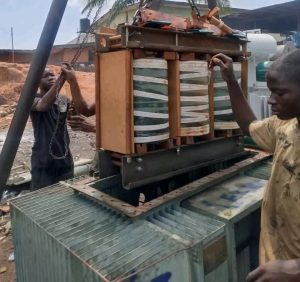
⚠️ Man Caught Stealing High-Value Transformer Oil and Selling It to Informal Shops: A Threat to National Energy Infrastructure
Introduction: A Threat Lurking Behind Power Failures
In a shocking revelation that has sparked nationwide concern, a man has been arrested for stealing transformer oil—a critical asset in electrical power infrastructure—and illegally selling it to informal traders, including shops allegedly operated by Indian nationals in township markets. The incident has triggered urgent discussions around power grid security, electric utility theft, and the rising black-market trade in high-value industrial lubricants.
Transformer oil theft is not just about draining a tank—it’s about sabotaging the energy grid, putting lives at risk, and severely undermining national infrastructure. This alarming incident underscores the need for enhanced electrical asset protection technologies, utility theft detection systems, and public education on transformer oil toxicity.
The Crime: Utility Theft That Cripples the Power Grid
Authorities have confirmed that the suspect had been draining transformer oil from Eskom-operated substations across Gauteng and Mpumalanga. Using siphon hoses and industrial containers, the suspect conducted his operation under the radar for over a year.
The stolen transformer insulation oil, valued for its high flash point and dielectric strength, was trafficked to informal business hubs where it was resold illegally for use in backup generators, vehicle servicing, and even domestic cooking—despite its toxic and non-food grade chemical properties.
This constitutes a breach of national energy policy, and the suspect faces charges under critical infrastructure protection acts, including:
Theft of high-voltage electrical components
Endangering national utility services
Violations of hazardous materials handling laws
What Is Transformer Oil? (And Why It Matters)
Transformer oil—also known as electrical insulation oil—is a specialized mineral oil-based fluid engineered to perform vital roles in power systems, including:
✅ Thermal Regulation:
It acts as a cooling fluid, dissipating heat generated by transformers operating at high voltages.
✅ Electrical Insulation:
Its high dielectric strength prevents short-circuits and ensures smooth electrical conduction in high-voltage environments.
✅ Corrosion Resistance:
It prevents oxidation and rust, thereby extending the lifespan of critical electrical power equipment.
Without transformer oil, national grids would face catastrophic equipment failures, voltage spikes, and uncontrolled electrical fires.
Why Is Stolen Transformer Oil in High Demand?
The illegal demand for transformer oil is largely driven by cost-cutting motives, misinformation, and its accessibility on the black market. Here’s how it’s misused:
1. Backup Generator Fuel Replacement
Informal workshops and spaza shops use it as a cheap substitute for diesel or generator oil—despite the risks of engine corrosion and toxic emissions.
2. Low-Cost Mechanical Lubricant
Mechanics in under-regulated garages use stolen transformer oil as a budget lubricant for vehicles and industrial machines.
3. Illegal Cooking Oil
Shockingly, some traders repackage this toxic oil in used cooking oil bottles and sell it in low-income areas, exposing families to lethal hydrocarbon ingestion.
These practices are dangerous and illegal. Transformer oil contains polyaromatic hydrocarbons (PAHs) and toxic additives that are carcinogenic and organ-damaging.
⚡ Dangers and Consequences of Transformer Oil Theft
1. Widespread Power Outages
Transformer oil removal renders high-voltage systems inoperative, leading to blackouts across cities, clinics, and data centers.
2. Fire and Explosion Hazards
Transformer units running without insulation oil overheat and often explode, causing infrastructure fires and endangering lives in nearby buildings.
3. Loss of Critical Public Services
Hospitals, traffic control systems, and water pumps fail during outages, disrupting essential services and emergency systems.
4. Escalating Municipal Repair Costs
Replacing damaged transformers costs municipalities between R100,000 to R1 million per unit, straining local government energy budgets.
Importance of Transformer Oil in Human Civilization
Transformer oil, though invisible to most, is the backbone of modern society’s power supply systems. Here’s why:
1. ✅ Maintains Grid Reliability
Stable transmission of electricity across the grid is impossible without properly maintained transformer cooling systems.
2. Reduces Electrical Hazards
Transformer oil reduces electrical arcs and insulation failures, thereby preventing electrocutions and power surges.
3. ️ Drives Urban and Industrial Growth
From banks and malls to manufacturing plants, energy infrastructure relies on transformer health, powered by this oil.
4. Enables Consistent Business Operations
ATMs, retail stores, telecom towers, and logistics services depend on uninterrupted electricity, secured by oil-filled transformers.
☣️ Health & Environmental Risks of Repurposed Transformer Oil
Transformer oil is not fit for human contact or consumption. Unauthorized handling or burning of this oil releases toxic hydrocarbons and dioxins into the environment, causing:
Respiratory illnesses
Liver and kidney failure
Cancer-causing exposure
Water and soil contamination
Using this oil in generators or cooking exposes families and workers to slow poisoning, especially in unventilated areas.
What Solutions Are Needed?
1. ️ Enhanced Substation Security
Investment in smart substation surveillance systems, motion detectors, and oil-level sensors is essential.
2. Regulation of Informal Traders
All shops and garages should be audited for unauthorized transformer oil possession. License suspensions and fines must be enforced.
3. Public Awareness Campaigns
Community engagement on the risks of transformer oil misuse must be rolled out in townships and rural regions.
4. IoT-Based Oil Monitoring
Deploying IoT telemetry systems can alert Eskom or municipalities of sudden transformer oil drops, enabling real-time theft detection.
⚖️ Government and Law Enforcement Action Plan
The Department of Mineral Resources and Energy (DMRE) must reclassify transformer oil theft as economic sabotage under critical infrastructure laws. A national transformer oil protection strategy should include:
Special Task Forces for utility crimes
Tighter border checks for hazardous material trade
Regulation of mechanical lubricant vendors
Chemical tracing technologies in oil batches
This isn’t just a theft case—it’s a threat to national power resilience and public health safety.
Final Thoughts: Powering the Future with Protection
The man caught stealing transformer oil and selling it to informal Indian-run shops has unknowingly highlighted a far more serious concern: How secure is South Africa’s power infrastructure?
Transformer oil is not just another industrial fluid—it’s the lifeblood of the power grid, protecting millions from outages, fires, and electrical hazards. Misusing it for profit puts entire communities at risk and weakens our journey toward sustainable energy systems.
To build a digitally connected, power-secure, and health-conscious society, we must start by protecting our transformers, educating our people, and enforcing energy laws without compromise.
Optimized Keywords for Monetization
Electrical safety solutions
Power grid reliability
Transformer oil health risks
Substation monitoring systems
Industrial lubricant poisoning
National infrastructure security
Electric utility theft cases
Transformer maintenance services
High-voltage asset protection
Backup generator oil alternatives