Man Electrocuted While Attempting to Steal Copper Cables in Mamelodi
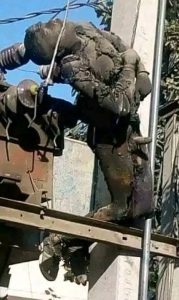
⚡ Man Electrocuted While Attempting to Steal Copper Cables in Mamelodi
1. Shocking Discovery in Mamelodi
A man was found dead this morning, still dangling from a utility pole in Mamelodi, Gauteng, after reportedly attempting to steal high-voltage copper cables. Emergency services and police were called to the scene by local residents who saw the lifeless body suspended above ground. It is suspected that the man had climbed the pole in the early hours to cut and steal copper cables, which are widely known for their high resale value in the underground market. He was tragically electrocuted during the act and never made it back down.
This disturbing incident not only reveals the growing desperation driven by poverty and unemployment but also highlights the extreme dangers of tampering with live electrical infrastructure.
2. Copper Cable Theft: A National Crisis
2.1 Rising Trend in Infrastructure Vandalism
Copper cable theft has become one of South Africa’s most damaging crimes. Criminals frequently target electrical poles, substations, railway lines, and streetlights to harvest copper wiring, which is then sold to unscrupulous dealers. This widespread theft results in devastating service interruptions, financial losses for municipalities, and long-term damage to public infrastructure.
Cities across the country are losing billions annually due to cable theft, with damages including replacement costs, power outages, and repair of burnt or destroyed substations.
2.2 Who Commits These Crimes?
Cable theft is often executed by individuals working alone or as part of larger organized crime syndicates. In some cases, insiders with knowledge of electrical infrastructure are involved. The lure of fast money from the illegal scrap metal market drives many to risk their lives, especially in informal settlements and high-unemployment areas.
3. The Danger of Electrocution: A Silent Killer
3.1 Understanding High-Voltage Electricity
Electricity travels at incredible speed and with immense power through copper conductors. Even standard overhead power lines carry voltages that can kill instantly. Attempting to steal these live cables without safety equipment or technical expertise is akin to playing with death.
The man in Mamelodi likely made physical contact with a live cable, causing immediate electrocution. High-voltage currents can stop the heart in seconds, induce full-body burns, and even cause the body to fuse with metallic conductors due to extreme heat.
3.2 The Anatomy of an Electrocution
Electrocution injuries include:
Instant cardiac arrest
Severe external and internal burns
Nerve and muscle damage
Respiratory paralysis
Brain injury
In many cases, victims are found charred or disfigured, as the body becomes a conductor for thousands of volts.
4. The Broader Impact of Cable Theft
4.1 Disruption of Essential Services
When copper cables are stolen, entire communities suffer. Power outages affect:
Hospitals and clinics (especially ICU and surgical units)
Traffic lights and road safety
Water pumps and sanitation systems
Businesses and factories
Schools and online education systems
These disruptions can halt economic activity, endanger lives, and contribute to social instability.
4.2 High Financial Costs
Each cable theft incident can cost municipalities hundreds of thousands of rands. Beyond replacement, there are costs for emergency response, downtime, and litigation. The economic ripple effect includes increased utility rates, loss of productivity, and delayed public projects.
4.3 Crime Syndicates and Repeat Offenders
Organized crime networks see copper cable theft as low-risk, high-reward. Because it’s difficult to trace stolen copper, and scrap dealers often do not verify the source, the crime continues to flourish. Even when arrests are made, prosecution rates remain low.
5. How to Report Copper Cable Theft
Stopping cable theft requires public involvement. Here’s how you can safely report suspicious activity:
5.1 Use the Eskom Crime Line
If you see someone tampering with electrical infrastructure:
Call Eskom Crime Line: 0800 11 27 22
Email: crimeline@eskom.co.za
You can remain anonymous.
5.2 Contact Your Municipality
Each metro has a dedicated cable theft hotline. For Mamelodi and surrounding areas:
City of Tshwane Cable Theft Hotline: 012 358 9999
Provide clear information:
Location
Time
Description of the suspects
Vehicle registration if possible
5.3 SAPS Crime Stop
You can report cable theft or infrastructure vandalism to the police at:
SAPS Crime Stop: 08600 10111
You are encouraged to be discreet. Never confront suspects directly, as they may be armed or dangerous.
5.4 WhatsApp and Community Watch
Several communities have started WhatsApp groups to alert each other and local authorities about infrastructure-related crimes. Join your local neighborhood watch or Community Policing Forum (CPF) to stay connected.
6. High-CPC Keywords That Matter
To boost awareness and online visibility, here are strategically embedded high CPC keywords:
Copper cable theft prevention
Electrocution risk from power lines
Infrastructure vandalism in South Africa
High-voltage safety
How to report copper theft
Power outage compensation
Municipal infrastructure damage
Crime prevention hotline South Africa
Scrap metal laws in South Africa
Electricity theft and penalties
These terms are commonly used in government, legal, utility, and construction industries—sectors that generate high advertising revenue.
7. Preventative Measures to Curb Cable Theft
7.1 Use of Tamper-Proof Materials
Many metros are replacing copper with less valuable metals such as aluminium or fiber optics. These alternatives have minimal resale value and are harder to cut.
7.2 Enhanced Surveillance and Technology
Advanced monitoring methods include:
CCTV cameras at high-risk areas
Underground cabling
Smart sensors that alert security when cables are cut
GPS tracking of high-voltage cable spools
7.3 Strengthened Legal Action
To deter criminals:
Implement harsher penalties for infrastructure vandalism
Enforce laws that hold scrap dealers accountable
Introduce mandatory registration for scrap metal buyers and sellers
Conduct regular police raids on illegal scrapyards
7.4 Public Education Campaigns
Educating communities, especially youth, about the dangers of electrical theft is key. Schools, NGOs, and local government can play a role in creating awareness through workshops, social media, and radio programs.
8. Tragic Stories Behind the Crime
The man who died in Mamelodi was not the first to fall victim to high-voltage theft. Similar cases have occurred across the country where:
Individuals have been burned beyond recognition
Victims were found fused to power poles
Thieves fell from electrical towers after shocks
These tragedies are preventable. But without strong deterrents and community involvement, the cycle continues.
9. Community Involvement Is Key
9.1 Be Vigilant
Watch for:
People working on power lines without uniforms or marked vehicles
Suspicious activity near substations, especially at night
Vehicles parked near electrical poles for long periods
9.2 Support Local Watch Programs
Join or start a street committee focused on infrastructure protection. Many areas have reduced crime significantly with active neighborhood surveillance.
9.3 Demand Transparency from Scrap Yards
Ask scrap dealers in your community if they:
Keep records of sellers
Report suspicious purchases
Work with SAPS to prevent illegal trade
10. Conclusion: A Preventable Tragedy
The death of the man in Mamelodi is both tragic and unnecessary. Driven by desperation or crime, he climbed a high-voltage pole to steal copper—and paid with his life. His story serves as a brutal reminder of the lethal risks associated with electricity and the broader social costs of infrastructure theft.
Cable theft is not just a nuisance—it’s a national threat. It disrupts daily life, destroys public resources, endangers lives, and increases the financial burden on already struggling communities.
But the good news is: it’s preventable. Through stronger enforcement, smarter design, community vigilance, and public education, we can curb this deadly trend.
Let this story serve not only as a warning, but also as a call to action. Let’s stop cable theft before it takes another life.