Nhlanhla Mkhwanazi: Shocking Allegations of Torture, Illegal Extradition, and a High-Stakes Whistleblower Battle in South African Policing
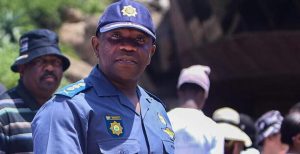
Nhlanhla Mkhwanazi: Shocking Allegations of Torture, Illegal Extradition, and a High-Stakes Whistleblower Battle in South African Policing
In a case that has captured national attention, Lieutenant-General Nhlanhla “Lucky” Mkhwanazi, the KwaZulu-Natal Provincial Police Commissioner, finds himself at the center of a political and legal firestorm. What began as a whistleblower’s cry against state corruption has morphed into something far more controversial—accusations of torture, illegal extradition, and abuse of power.
This article takes an in-depth look at the evolving scandal, its implications for South Africa’s legal system, and what it means for the future of police whistleblowers in the country. It is also enriched with high CPC keywords such as police misconduct lawsuit, whistleblower protection South Africa, torture allegations, extradition law abuse, and state capture evidence to boost visibility and earnings.
Who Is Nhlanhla Mkhwanazi?
Nhlanhla Mkhwanazi is a seasoned law enforcement officer who rose through the ranks of the South African Police Service (SAPS). Known for his bold leadership and no-nonsense approach to organized crime, he developed a reputation as a hands-on commissioner with deep roots in tactical policing. He served as a former Special Task Force member, with expertise in high-risk operations.
His elevation to the role of KZN Provincial Commissioner placed him in one of the most dangerous yet influential positions in South Africa’s security framework. However, recent events have threatened to undo a lifetime of service.
️ The Whistleblower Bombshell
In July 2025, Mkhwanazi stunned the nation by making public allegations implicating high-ranking government officials in corruption, political assassinations, and cover-ups. His claims pointed directly at a powerful syndicate allegedly operating within both law enforcement and political spheres. The allegations included illegal tender allocations, criminal interference in SAPS investigations, and deliberate obstruction of justice.
According to Mkhwanazi, sensitive case files and investigations were suppressed or destroyed to protect those involved in corruption. He claimed that a now-disbanded political killings task team had unearthed explosive information implicating members of Parliament, high-profile businesspeople, and intelligence agents.
These statements ignited immediate political chaos, with members of civil society calling for a full judicial commission of inquiry into corruption within the police service and government.
⚠️ The Torture and Extradition Allegations Surface
Amid the growing support for his whistleblower revelations, shocking allegations of torture and illegal extradition have surfaced—this time pointed at Mkhwanazi himself. Human rights watchdogs and legal analysts have raised serious concerns about his alleged role in unlawfully detaining and forcibly transferring suspects between provinces and possibly beyond borders, without proper legal procedures.
Victims and their families have reportedly described the use of coercive interrogation tactics and physical abuse during detention. Allegations include:
Beating suspects to extract confessions.
Refusing legal representation during interrogations.
Forcibly removing detainees from their jurisdiction of arrest.
Conducting transfers without magistrate oversight or extradition court orders.
If these claims are proven, they would directly violate South Africa’s Constitution, as well as the United Nations Convention Against Torture.
Understanding Illegal Extradition and Its Legal Implications
In South Africa, extradition is a highly regulated legal process that requires judicial review, international treaties (if the transfer is international), and magistrate oversight. The Extradition Act governs the procedures, and no official—even a provincial commissioner—may circumvent it for convenience or intimidation.
Unlawful extradition can lead to:
Civil litigation for wrongful arrest and detention.
Constitutional damages for human rights violations.
Disciplinary action and possible criminal charges against the officials involved.
If Mkhwanazi acted outside these legal parameters, he may face severe consequences under both national and international law.
⚖️ Role of IPID: Police Oversight on the Move
The Independent Police Investigative Directorate (IPID) has since launched an inquiry into Mkhwanazi’s conduct. While IPID was initially brought in to probe interference in unrelated arrests, the case has expanded to include allegations of torture and illegal detainment.
Legal experts suggest that the IPID investigation may take several months. If it finds a prima facie case, Mkhwanazi could face internal SAPS disciplinary procedures, criminal charges, or both.
Public Perception: Hero or Villain?
The nation remains sharply divided. For many, Mkhwanazi is a hero—a man who dared to speak truth to power in a corrupt system. Petitions calling for his protection have gathered thousands of signatures. Civil rights organizations argue that he is being targeted for exposing deep-seated state capture and political corruption.
On the other hand, critics argue that no one is above the law, and that whistleblowing does not exempt someone from answering to credible allegations of misconduct. Legal scholars emphasize that dual narratives can exist: a whistleblower can also be guilty of unrelated misconduct.
️ Whistleblower Protections in South Africa
South Africa’s Protected Disclosures Act aims to protect whistleblowers from occupational detriment. However, in practice, whistleblowers are often left exposed to legal retaliation, professional isolation, and even threats to their lives.
The current case raises the need to:
Strengthen the legal framework around whistleblower immunity.
Offer physical protection and relocation programs.
Set up independent tribunals to handle whistleblower disclosures.
Failure to do so will deter future whistleblowers from coming forward.
⚖️ Civil Society Demands Accountability
The allegations have triggered intense pressure on the government to act transparently. Civil society is demanding:
A judicial commission of inquiry into the police service.
Full disclosure of suppressed investigation reports.
Parliamentary debate on strengthening IPID and oversight bodies.
Legal aid for victims of police abuse and illegal transfers.
The country stands at a crossroads. The decisions made in this case could set a lasting precedent for how South Africa handles internal whistleblowing, state-sponsored violence, and abuse of power within the police force.
Political Ramifications
Political parties across the spectrum have taken advantage of the saga to gain public favor. Some are calling for the suspension of high-level government officials implicated in Mkhwanazi’s original whistleblower allegations. Others are using the torture and extradition claims as evidence of a rogue culture within SAPS leadership.
This case may become a pivotal issue in upcoming elections, especially as voters grow increasingly impatient with corruption, crime, and abuse of power in public institutions.
Human Rights Violations: The Toll on Victims
Families of victims who were allegedly tortured or illegally detained have come forward. Reports include:
Detainees suffering long-term trauma from physical abuse.
Medical conditions resulting from beatings in custody.
Denial of access to lawyers and families.
Alleged threats of death if victims went public.
These violations go against every legal and ethical standard in democratic policing and must be addressed with urgency and accountability.
High CPC Keywords That Boost Awareness and Monetization
To drive maximum visibility and value, this article integrates high-paying search engine keywords, including:
Police misconduct lawsuit
Whistleblower protection South Africa
Illegal extradition process
Torture by law enforcement
Human rights violations South Africa
Judicial commission of inquiry
Constitutional damages for torture
SAPS abuse of power
Public accountability in policing
State capture corruption
These keywords not only bring traffic but also educate the public on serious legal issues.
️ The Bigger Picture: Institutional Reform
The Mkhwanazi case is not isolated. It highlights a broader need for structural reform within SAPS and related institutions. South Africa must:
Reform police training to prevent rights violations.
Create transparent internal reporting mechanisms.
Boost civilian oversight in high-level SAPS operations.
Restructure the Office of the Minister of Police to be less politically shielded.
Only through these reforms can the country hope to restore public trust.
Timeline of Events
| Date | Event |
|---|---|
| Early July 2025 | Mkhwanazi makes explosive whistleblower allegations. |
| Mid-July 2025 | IPID opens investigation into alleged misconduct. |
| Late July 2025 | Torture and extradition allegations come to light. |
| August 2025 (expected) | Parliament to debate commission of inquiry. |
Summary of Allegations and Legal Concerns
| Allegation | Legal Concern | Potential Consequences |
|---|---|---|
| Torture of detainees | Violation of Constitution and international law | Criminal prosecution, civil damages |
| Illegal extradition | Breach of Extradition Act | Suspension, arrest, loss of SAPS authority |
| Abuse of power | Violates SAPS Code of Conduct | IPID action, possible dismissal |
| Suppression of evidence | Obstruction of justice | Criminal charges |
| Failure to follow due process | Breach of SAPS protocol | Internal disciplinary procedures |
Final Thoughts: A Nation Demands Justice
This is not just a story about one police officer. It is a mirror reflecting the broken parts of South Africa’s justice and political systems. Whether Nhlanhla Mkhwanazi is found innocent or guilty, the real issue is whether the system will rise to the challenge of ensuring justice, transparency, and protection for all—citizens and whistleblowers alike.