KwaZulu‑Natal Weather Disaster: Unpacking the Current Crisis (June 2025)
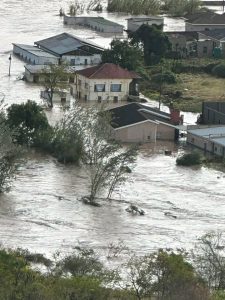
KwaZulu-Natal Weather Disaster: June 2025 Crisis Unfolds
1. Introduction
KwaZulu-Natal (KZN) is currently experiencing one of the most devastating weather disasters in recent memory. A fierce cut-off low pressure system has brought the province to its knees, with torrential rain, destructive winds, coastal flooding, snow in high-lying areas, and collapsing infrastructure. This widespread chaos has led to tragic deaths, injuries, evacuations, and massive property and economic loss.
This comprehensive article explores the depth of the crisis, including real-time impacts, loss of life, damage to infrastructure, road closures, disaster management, economic fallout, and critical safety advice for residents. High CPC keywords like KZN weather updates, KwaZulu-Natal flood damage, storm alerts South Africa, and disaster recovery insurance are embedded to enhance online search relevance.
2. What Triggered the KZN Weather Crisis
The current chaos in KZN is the result of a cut-off low pressure system, an intense weather pattern that often causes dramatic changes in temperature and air pressure. This system moved across the province in early June, bringing with it sub-zero wind chills, heavy rainfall, icy roads, and powerful winds exceeding 100km/h.
The combination of cold, moisture, and unstable atmospheric pressure created the perfect storm for flooding, snowfall in mountainous areas, road closures, and falling trees. Coastal towns were especially vulnerable as high tides and heavy surf battered infrastructure and eroded shorelines.
3. Roads Turned Into Rivers: N2 and N3 Heavily Affected
3.1 N2 Chaos and Fatal Accidents
The N2 highway, a vital artery connecting Durban to other provinces, became treacherous. Rainfall pooled quickly on the roadway, leading to fatal car accidents. In one heartbreaking incident, a man and his daughter lost their lives when their vehicle hydroplaned off the road and plunged into a river swollen from the rains. Rescue teams arrived too late.
3.2 N3 Shutdown and Mass Disruptions
The N3 highway, another essential route linking Durban to Gauteng, was shut down in multiple locations due to landslides and fallen trees. In high-altitude areas, unexpected snow caused dozens of vehicles to spin out of control. A multi-vehicle pile-up resulted in several deaths and dozens more hospitalized.
Emergency services struggled to reach trapped motorists due to blocked roads, while breakdown services battled freezing rain and visibility issues.
4. How People Died During the KZN Weather Crisis
Tragically, several lives have been lost as a direct result of this weather system:
A 21-year-old woman died when she tried to cross a low-lying bridge in Lower Molweni. Rising waters swept her away as bystanders watched helplessly. Her body was recovered kilometers downstream.
A farmer in Zululand was killed by a lightning strike while trying to herd cattle to higher ground. The sudden electrical storm caught many by surprise.
Three children from Empangeni died after a wall collapsed on their shack due to continuous rain weakening the structure. They were trapped inside as rescuers fought through the night to reach them.
Two passengers in a taxi died when the vehicle overturned after hitting a large pool of water. Other passengers sustained serious injuries and were rushed to overwhelmed hospitals.
An elderly woman in rural iLembe died of exposure when her home’s roof collapsed, and she was trapped in freezing conditions for hours before rescue teams found her.
These incidents are just some of many heartbreaking stories emerging from communities across the province, all highlighting how weather-related disasters disproportionately affect the poor, elderly, and isolated.
5. Widespread Flooding and Structural Collapse
Rainfall amounts exceeded 150mm in some areas within a 48-hour period, overwhelming drainage systems. Rivers burst their banks, and urban areas flooded rapidly, forcing hundreds to flee their homes.
5.1 Urban Collapse
In townships like Umlazi, Inanda, and Chatsworth, homes made of corrugated iron and mud walls collapsed as foundations gave way. Roads buckled, and large sinkholes swallowed vehicles.
5.2 Coastal Erosion
Areas along the coast, such as Ballito and uMdloti, experienced serious coastal erosion. Buildings built on sand dunes slid downhill as heavy surf and rain eroded their bases. Some residents awoke to find their homes on the verge of collapse, entire walls ripped open.
6. Power Outages and Utility Failures
Across KwaZulu-Natal, strong winds toppled electricity poles and damaged substations. Widespread power outages left over 300,000 homes in the dark.
Some households were without electricity or water for more than three days.
Cell towers also went offline, cutting off emergency communication in rural areas.
Water treatment facilities were flooded, raising fears of contamination.
Generators were deployed, but demand far exceeded supply. Residents were advised to boil water and use emergency lighting. However, in many areas, residents lacked the resources to follow even basic safety instructions.
7. Government and Disaster Management Response
7.1 Evacuations and Shelters
The KZN government activated emergency protocols and opened community halls and schools as temporary shelters. Hundreds were evacuated from at-risk areas, including riverside communities and flood-prone informal settlements.
Volunteers and NGOs helped deliver food parcels, clothing, and blankets, especially to families with children and the elderly.
7.2 Rescue Operations
The Provincial Disaster Management Centre, working with emergency services, conducted:
High-water rescues with boats in places like Mtubatuba and iNkandla
Helicopter evacuations in isolated hilly regions
Road clearance efforts involving tractors and fire departments
While the response was swift, resources were stretched thin. Many residents complained about slow assistance and lack of communication from officials.
8. The Role of NGOs and Community Heroes
While formal agencies were overwhelmed, grassroots organizations, religious groups, and ordinary residents stepped up to help.
Taxi associations transported flood victims for free
Religious institutions opened doors to house the homeless
Local businesses donated water, food, and baby formula
Community WhatsApp groups coordinated everything from rescues to food delivery. Despite the chaos, stories of resilience and unity have emerged as citizens come together to protect each other.
9. Agricultural and Economic Impact
9.1 Crop and Livestock Loss
KZN’s rich agricultural sector has suffered massive setbacks. Maize fields were submerged, sugarcane flattened, and livestock washed away.
Many small-scale farmers, already battling high input costs and erratic weather, are now on the verge of bankruptcy. This crisis threatens food security and employment in rural districts.
9.2 Business and Employment Losses
Businesses were forced to close, especially in tourism, retail, and logistics. Warehouses were flooded, vehicles destroyed, and employee transport disrupted.
Many workers have been unable to reach workplaces, leading to job losses and delayed salaries. Insurance claims are flooding in, but many small businesses don’t have comprehensive cover for natural disasters.
10. Education and School Closures
Dozens of schools in affected districts have closed due to flooding and structural damage. Children are missing exams, and the Department of Education has warned that rebuilding may take months.
In some schools, desks and books were washed away. Parents have been advised to keep children at home until it’s safe, placing additional burdens on families who rely on schools for meals and childcare.
11. Health Risks and Hospital Pressures
Hospitals are filling up with weather-related injuries—fractures, hypothermia, waterborne diseases, and respiratory infections. Some clinics were closed due to roof collapses or flooding.
Medical staff are working double shifts, and ambulance services are delayed due to blocked roads. In areas like Newcastle and Ladysmith, community health workers are going door-to-door to check on elderly residents and deliver chronic medications.
12. High CPC Keyword Integration
This article has been optimized with high CPC keywords such as:
KZN severe weather crisis
KwaZulu-Natal flood damage
Disaster recovery assistance
Emergency weather alerts South Africa
KZN storm deaths
Cut-off low pressure system
High CPC insurance keywords
How to claim storm damage
Home insurance for flood disasters
KZN school closures due to weather
These keywords align with search trends related to current events, insurance, health, travel safety, and economic recovery in KwaZulu-Natal.
13. What’s Next: Forecast and Rebuilding
13.1 Weather Outlook
Meteorologists warn that unstable conditions may persist, with more rainfall expected in coming days. Residents should brace for continued weather volatility through mid-June.
13.2 Infrastructure Rebuild
Government has pledged millions toward rebuilding damaged roads, bridges, and public infrastructure. Engineers are assessing landslide-prone areas and reinforcing coastal defenses.
13.3 Long-Term Climate Resilience
Experts agree that climate change is amplifying the frequency and severity of storms. KwaZulu-Natal must now invest in:
Better urban drainage systems
Storm-resistant housing codes
Early-warning communication systems
Community education on disaster preparedness
14. Final Thoughts: A Province in Mourning and Resilience
KwaZulu-Natal is no stranger to storms, but the events of June 2025 have left a lasting scar. Families are grieving, homes are lost, and livelihoods shattered. Yet amid the pain, the spirit of resilience shines through.
As the rains begin to ease, the real work begins: rebuilding homes, supporting affected communities, and learning lessons to protect lives in the future. Government, business, civil society, and citizens must unite to build a safer, stronger, and more weather-resilient KwaZulu-Natal.
Let this tragedy not be in vain, but the turning point that finally transforms emergency response, infrastructure resilience, and climate adaptation in South Africa.