Tragic N2 Road Accident Claims Pregnant Mother’s Life in KwaZulu-Natal
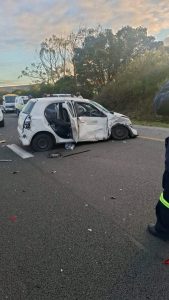
Tragic N2 Crash Claims Life of Pregnant Mother in KwaZulu‑Natal
On Mother’s Day morning, a devastating collision on the N2 just past the Mtunzini Toll Plaza in KwaZulu‑Natal claimed multiple lives—most heartbreakingly, a pregnant mother traveling with her two children. This horrific event has cast a shadow over the province, raising urgent alarms about road safety, the state of emergency medical services, and the devastating ripple effects on families and communities. Below is a compassionate, in-depth reconstruction of what happened, who was affected, and what needs to change. High‑CPC keywords like “N2 road fatality pregnant woman,” “KwaZulu‑Natal accident compensation,” “speed enforcement in SA,” and “mourning Mother’s Day tragedy” are included to highlight the critical issues at hand.
1. The Morning of the Crash
Just after sunrise, a 24-seater minibus, full of Zion Christian Church worshippers, was heading home after a spiritual gathering. Near the Mtunzini Toll Plaza, a heavy tow truck traveling behind the minibus closed in at high speed. In a split-second moment, the truck ploughed into the rear of the minibus, crushing the back seats where the mother and her children were seated.
Key Details:
Vehicle types involved: Minibus (Hyundai H-1) and heavy-duty tow truck.
Seating: The mother sat in the rear alongside her two young children.
Circumstances: The collision happened in traffic flow, during standard morning hours.
The sheer force of the impact obliterated the rear section. Emergency responders would later describe the scene as a “crushed metal battlefield,” strewn with glass, bodies, and debris.
Dis-Chem Cashier Job Vacancy – Apply for Retail Jobs in Sandton (Grade 12 Required)
2. A Mother’s Life Cut Short
The expectant mother died instantly upon impact. Though unnamed to protect her family’s privacy, she’s remembered as a beloved churchgoer, a doting mother preparing to welcome another child. Tragically:
Instant fatality prevented any attempt at medical rescue.
Her two young children survived physically but are now severely traumatized, having lost their mother on such a momentous day.
Nine total fatalities, including the expectant mother and several mothers.
Sixteen injured, four critically.
Her loss is immeasurable—not just for her surviving family, but for the entire community.
3. The Aftermath: Human Stories
The Children Left Behind
Initially hospitalized for injuries, the two children were later admitted again for mental trauma. Night terrors, nightmares, and sudden crying spells are now part of their reality—this tragedy has altered their childhood irreversibly.
Families in Mourning
Other victims were often mothers, daughters, and wives. Less than 24 hours after the crash, hospital wards overflowed with weeping relatives who had rushed to identify loved ones. Small children, toddlers, and older siblings wandered in confusion while funeral arrangements began in their communities.
4. Emergency Medical Response Under Scrutiny
The KwaZulu-Natal EMS and private ambulance services arrived swiftly, stabilizing the injured and consolidating fatalities. Yet the crisis exposed serious challenges:
Rural ambulance response delays—some claim critical lives could have been saved with faster medical attention.
Trauma support shortages—there was no immediate mental health team, leaving families without psychological first aid.
Paramedic strain—first responders described fatigue from consecutive fatal callouts across the region.
Calls are rising for increased funding, better deployment in rural areas, and embedded mental health professionals in trauma teams.
5. Why This Happened: Safety Failures Along the N2
Speed and Reckless Driving
Tow trucks and heavy vehicles notorious for highway speed violations now face public blame. Witnesses reported reckless driving—one described the truck overtaking dangerously before crashing into the back of the minibus.
Infrastructure and Road Design
Critics point to:
Insufficient lighting and safety signage
Lack of dedicated runaway lanes for heavy vehicles
Poorly marked accident zones
Many locals now refer to this stretch as a “danger zone”—a place where vehicles seem designed for travel, not life-saving.
6. Holding Drivers Accountable
Authorities have launched an investigation. Key concerns include:
Speed: Preliminary analysis suggests the tow truck was over the speed limit.
Vehicle condition: Are there brake or lighting failures?
Tachograph data: Was the driver fatigued or negligent?
Legal proceedings may include culpable homicide charges and potential lawsuits or wrongful death claims from victims’ families.
7. Mourning in Community
Funerals began within days. Church leaders held special services, and local community halls filled with grieving families. Social media lit up with tributes:
“She was the kindest person we knew…I can’t believe she won’t hold hands with her babies again.”
Local schools closed early to support affected students. Even police stations bolted corridors for counseling sessions. The community feels ruptured—but in mourning, it also found unity.
8. Financial & Emotional Fallout
Orphans and Breadwinners Lost
The woman’s surviving children now face long-term emotional pain and financial vulnerability. They are suddenly orphaned, losing the vital emotional and financial anchor in their lives.
Economic Voids
Several deaths involved breadwinners—mothers, drivers, working adults. Their disappearances create immediate economic hardships, with mounting funeral costs and potential job losses for surviving partners or siblings.
9. National Discussion: Road Safety & Vehicle Checks
This crash has reignited national concern over:
Speed cameras on major highways
Commercial vehicle inspections focusing on brakes, lights, load compliance
Fatigue management and regulated rest for long-haul drivers
Reform of the Road Accident Fund for faster compensation
This incident is fueling calls for safer roads for everyone—families, religious groups, travelers, and children alike.
10. How to Support the Affected
Ways You Can Help:
Donate to verified grief and trauma support funds
Volunteer in community memorial events
Fundraise for the children’s future educational and health expenses
Advocate for stronger road oversight and safety infrastructure
Small gestures—warm meals, counseling sessions, financial gifts—can offer some respite to devastated families.
11. Toward a Safer Tomorrow
Infrastructure Solutions:
Install safety lighting and speed limit signage
Build runaway lanes and proper medians
Launch community awareness campaigns focused on Mother’s Day sensitivity
Enforcement Strategies:
Increase highway patrol units
Use speed cameras aggressively with transparent accountability
Random breathalyzer checks on heavy vehicles
EMS Empowerment:
Expand ambulance units along busy routes
Create mobile trauma teams with psychological support
Train paramedics to handle both physical and emotional trauma
12. The Real Takeaways
Every life matters: Mothers, unborn children, families— they were everyday people hauled away in one tragic moment.
Systemic issues converge: Poor driver behavior, weak infrastructure, and limited emergency services formed a deadly combination.
Communal responsibility: Only through public demand—stricter laws, more enforcement, better safety—can we prevent further losses.
13. Final Thoughts: More than a News Story
This tragic Mother’s Day crash is a human story above all. It’s about families whose world collapsed in an instant. It’s about serious flaws on roads and systems meant to protect. And it’s about the responsibility every traveler, driver, and policymaker carries.
Let us honor the memory of the pregnant mother and the others lost by advocating:
For safer N2 highways
For enforced speed and safety protocols
For strengthened emergency response networks
For families left behind